
Tongits | Rules, Rounds & PHGames Guide
Tongits is a Filipino-style card game where players build melds, manage discards, and judge when a hand is ready to close. This guide explains the common round flow and what to check before choosing a table.
 Tongits
In brief: learn the table's exact draw, meld, discard, and end-of-round rules first; then make decisions around the cards you can see, not promises of a result. A Tongits Demo can help you become familiar with a game's interface if a practice option is available.
More card picks

How a Tongits round usually unfolds
Start by checking the table rules and your limits; the sequence is usually simple once those are clear. Tongits is commonly played with three participants and a standard deck, but digital tables can differ in dealing, turn order, and how a round is decided. Treat the rules displayed in the selected game as authoritative.
- Read first: confirm the number of players, how the initial hands are dealt, the available draw piles, and which actions finish a round. Do not assume every Tongits Demo uses identical rules.
- Take a turn: in many versions, a player draws a card, may lay down a valid meld or add to an exposed meld where permitted, and discards to end the turn. Check whether the table follows that exact order.
- Track the visible cards: note discards and exposed combinations to understand which ranks or suits may still help. This improves decisions, but it cannot predict cards that remain unseen.
- Know the finish: a round may end through a permitted knock, a player clearing the hand, or the draw pile reaching its end. Scoring and declarations vary, so review the table's instructions before you begin.
For a useful comparison of pace and theme across the wider lobby, take a look at Ocean King Jackpot; it is a different game category, not another Tongits ruleset.
What the Tongits artwork and table experience tell you
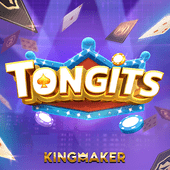
The artwork identifies the card-game listing, while the in-game table is where the actual controls and rule prompts must be checked. The local Tongits image is title artwork only; it should not be mistaken for a captured screen or evidence of a specific layout, animation, or feature.
Expect the experience to revolve around short turns and hand management rather than a long narrative. A clear table should make the current hand, discard area, draw options, and available actions easy to distinguish. Before committing to a move, pause long enough to read the action label and any confirmation. If the interface obscures a rule or a control, leave the table and review its help panel instead of guessing.
When comparing Tongits with other phgames games, look for legible card faces, steady turn pacing, accessible rule explanations, and a visible way to exit. Presentation can make a round easier to follow, but attractive visuals do not change the odds or guarantee a favorable hand.
A Tongits Demo, when offered, is best used to learn navigation and test whether the rules are understandable. It does not establish that a real-money mode is available, and practice results should not be treated as predictions.
How Tongits melds, discards, and decisions connect
The central decision is whether a card improves a legal combination enough to justify keeping it. Common rummy-style Tongits rules recognize sets of equal rank and runs of consecutive cards in one suit. A specific table may define meld size, laying-off permissions, and declaration timing differently, so use its own rule text rather than relying on a generic description.
Sets
Cards sharing a rank can form a set when the table's requirements are met.
Runs
Consecutive values in one suit may connect into a run in common versions.
Discards
A discard ends a turn and can reveal information to opponents.
Round end
Closing conditions and scoring depend on the version being played.
Keep track of cards already exposed, but remember that opponents' hidden hands and the order of future draws are unknown. A thoughtful Tongits decision weighs a possible combination against the cards that might remain unmatched if the round closes.
For players browsing beyond cards, Gates Of Olympus 1000 offers a separate slot-game experience; compare its format only after understanding how its own rules and controls work.
A closer look at the Tongits listing image
The available local image is useful for recognizing the game tile, not for judging a full round interface. It is shown below as the actual Tongits artwork associated with the listing. No separate gameplay screenshot is presented here, so details such as table controls, card backs, and animations should be verified in the game itself.
Tongits card-game artwork
The artwork marks this selection as Tongits within the cards category. When you open a table, use the visible instructions to confirm the dealing pattern, turn controls, permitted melds, and scoring before taking action. The illustration alone does not verify any mechanic or result.
Use the About PHGames overview to understand the platform context and find general information before exploring its game listings.
Where Tongits can fit—and where it may not
Tongits may suit players who enjoy memory, hand planning, and decisions over several turns; it is less suitable for anyone seeking a guaranteed outcome or a game without uncertainty. Its card-by-card rhythm gives players time to consider visible discards and possible melds, but the rules and pace differ across tables.
- Potential fit: you enjoy card combinations, can read the table's help text, and are comfortable making decisions with incomplete information.
- Consider a different option: you prefer fast, low-attention rounds, dislike uncertain outcomes, or find the controls and scoring difficult to follow.
- Keep limits: set a time and spending boundary before any paid play, never chase losses, and stop if play no longer feels recreational.
Do not interpret a successful practice hand as a forecast of future results. If the rules, cost, or account terms are unclear, pause and seek clarification rather than continuing. Only participate if you meet the legal age requirement where you are located.
What to check before choosing Tongits
Choose a table only when its rules, interface, and limits are clear to you. A quick review is more useful than relying on a title, a promotional claim, or a past result.
Also check whether the session is practice or paid, how to exit, and what support options are available. A Tongits Demo is useful only if the mode is clearly labelled and its limitations are understood. The Tongits listing is part of the cards section of phgames games, but each table can still have its own rules and conditions.
For a broader starting point, you can review the game's listing through the site controls above. Keep any play voluntary, within your means, and secondary to your everyday responsibilities.